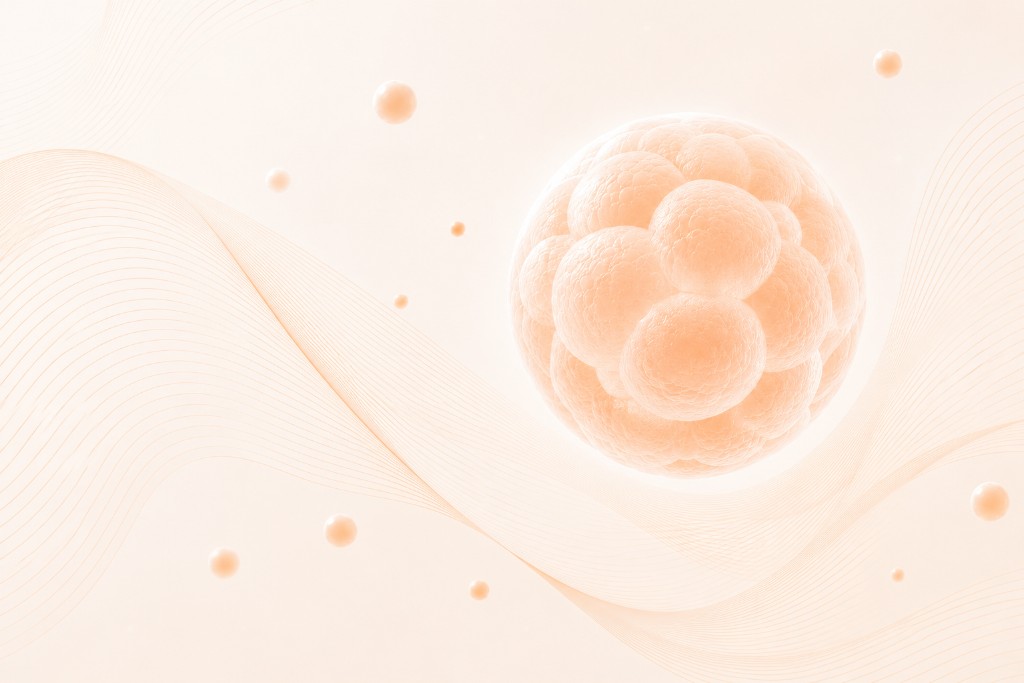

Time Lapse
Time Lapse represents continuous monitoring of the growth and development of embryos in the incubator and their dynamics in real-time over a full 24 hours without the need for the usual removal of the dish from the incubator where the embryos are located for evaluation. This way, the embryos develop smoothly under ideal conditions, avoiding sudden changes in microclimatic conditions (temperature, humidity, pH, gas concentrations). This method of cultivating embryos without interruption allows the gynecologist and embryologist better insight into the situation at any time of the day and facilitates easier decision-making regarding the further course of treatment.
In the time lapse system, embryos can be cultivated for 5 to 6 days after which they can be selected for
embryo transfer, and if there are surplus quality embryos, there is also the option of freezing using the vitrification technique.
EmbryoGlue
EmbryoGlue is a special medium from the Swedish manufacturer Vitrolife that contains a high concentration of hyaluronic acid (hyaluronan) into which embryos are placed for transfer, and its use has shown an increased rate of clinical pregnancies. Hyaluronic acid is scientifically proven to be present in increased amounts in the female reproductive system at the moment when the embryo needs to implant in the uterus and initiate pregnancy. EmbryoGlue has a higher density than regular embryo culture medium, thus reducing the chance of the embryo being placed outside the endometrium during embryo transfer and causing an ectopic pregnancy. It has also been proven that EmbryoGlue helps in binding the embryo to the uterine wall, has an anti-inflammatory effect on the uterus, and promotes the development of the uterus for embryo acceptance. EmbryoGlue has proven to be particularly effective in improving prognosis after embryo transfer in women with severe forms of polycystic ovaries as well as in the transfer of thawed embryos in EmbryoGlue.
PRP in cases of RIF (repeated implantation failures)
The application of activated platelets obtained from the patient's blood, which are prepared using special methods, activated, and placed in a certain number into the uterine cavity via an embryo catheter before the planned embryo transfer in cases of repeated failures is a method by which certain problems related to the immune reaction of the endometrium and implantation disorders can be overcome. If the patient has had several previous transfers of quality embryos (preferably blastocysts), it is indicated to check the immune status in terms of the presence of chronic endometritis or elevated concentrations of NK cells. In such cases, the application of PRP is indicated.