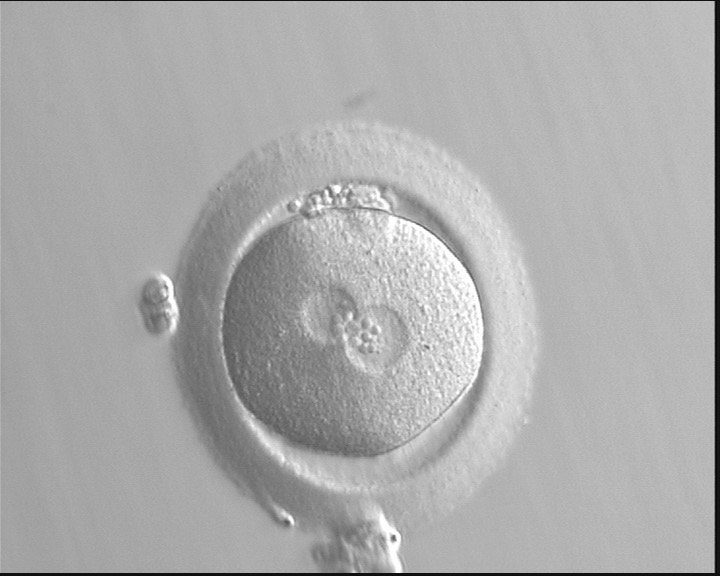
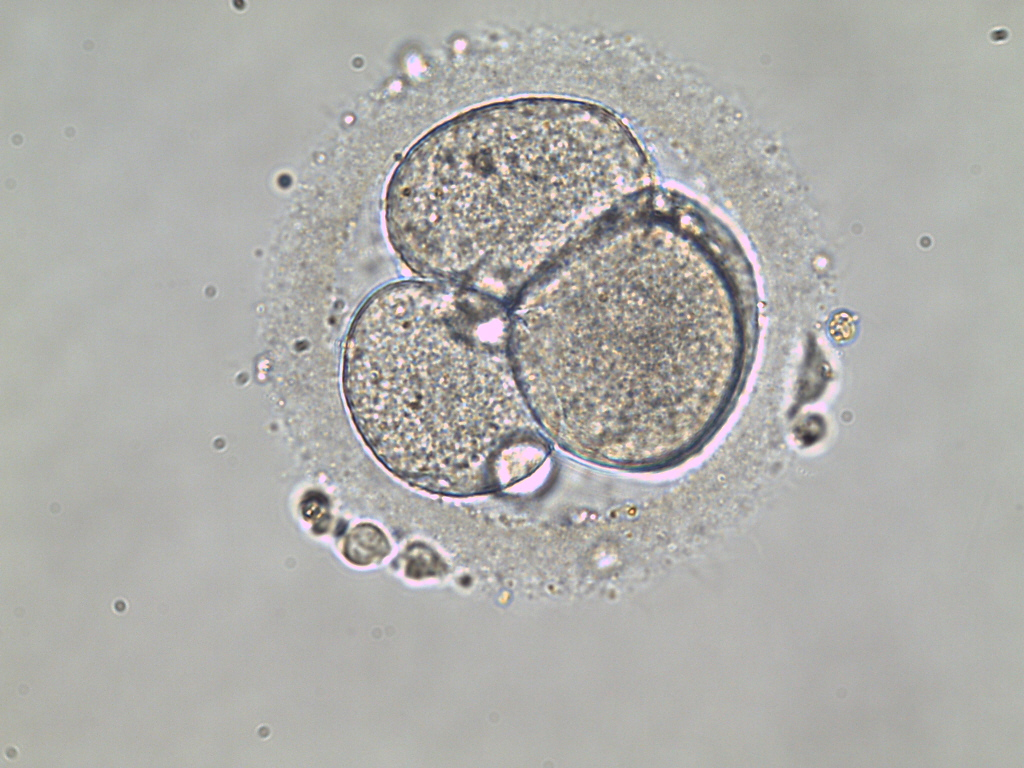
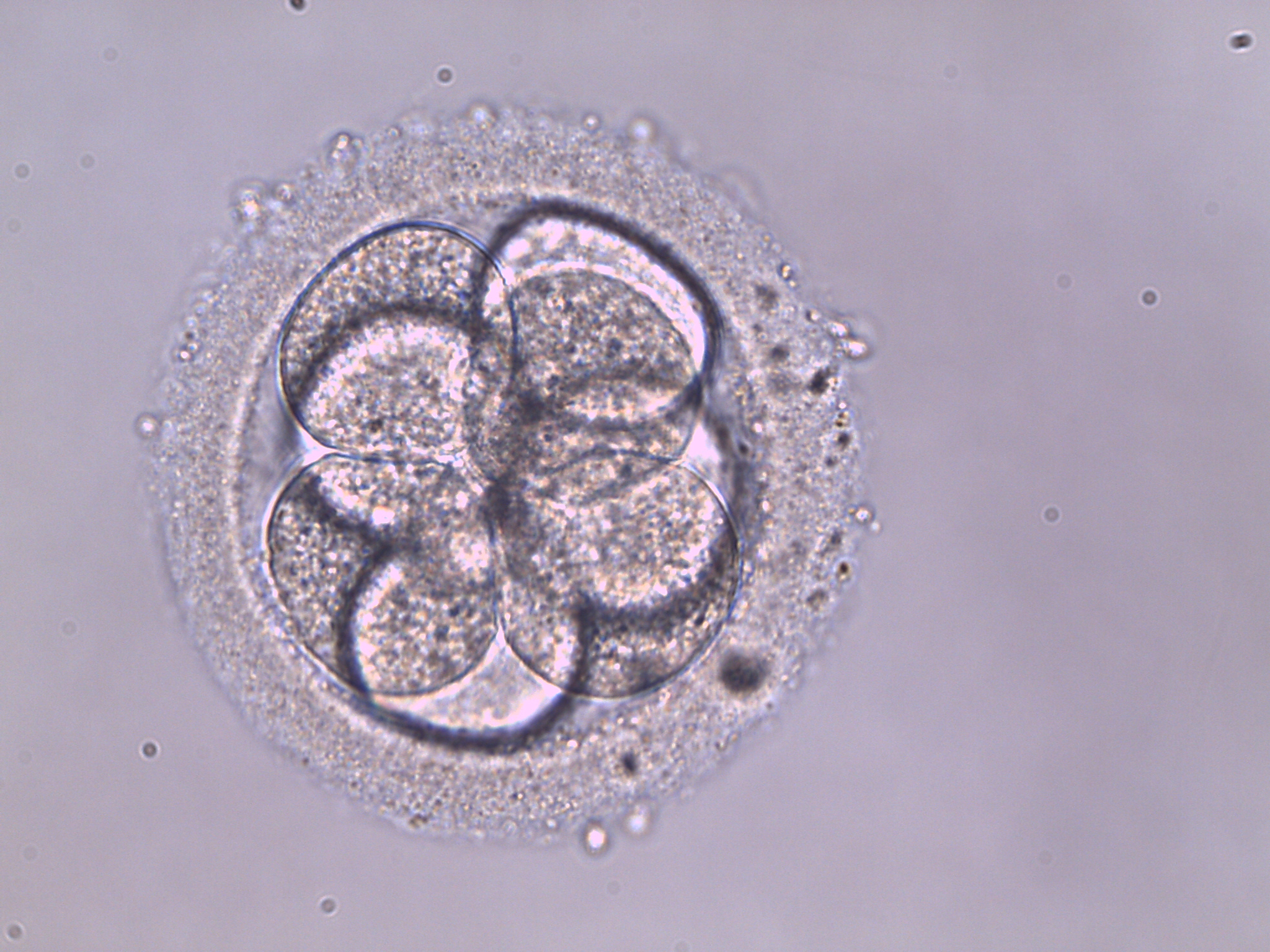
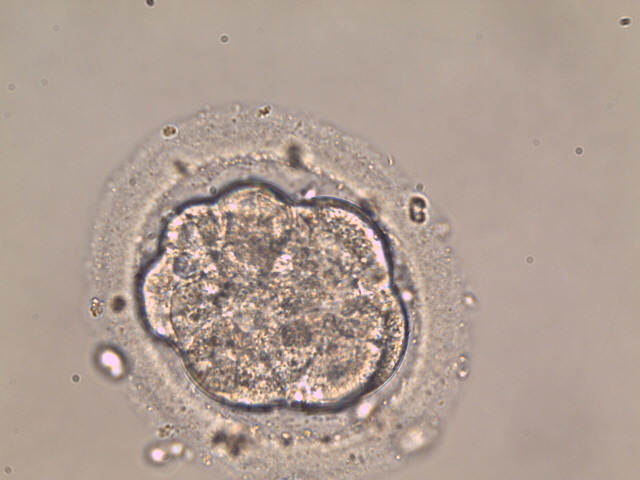
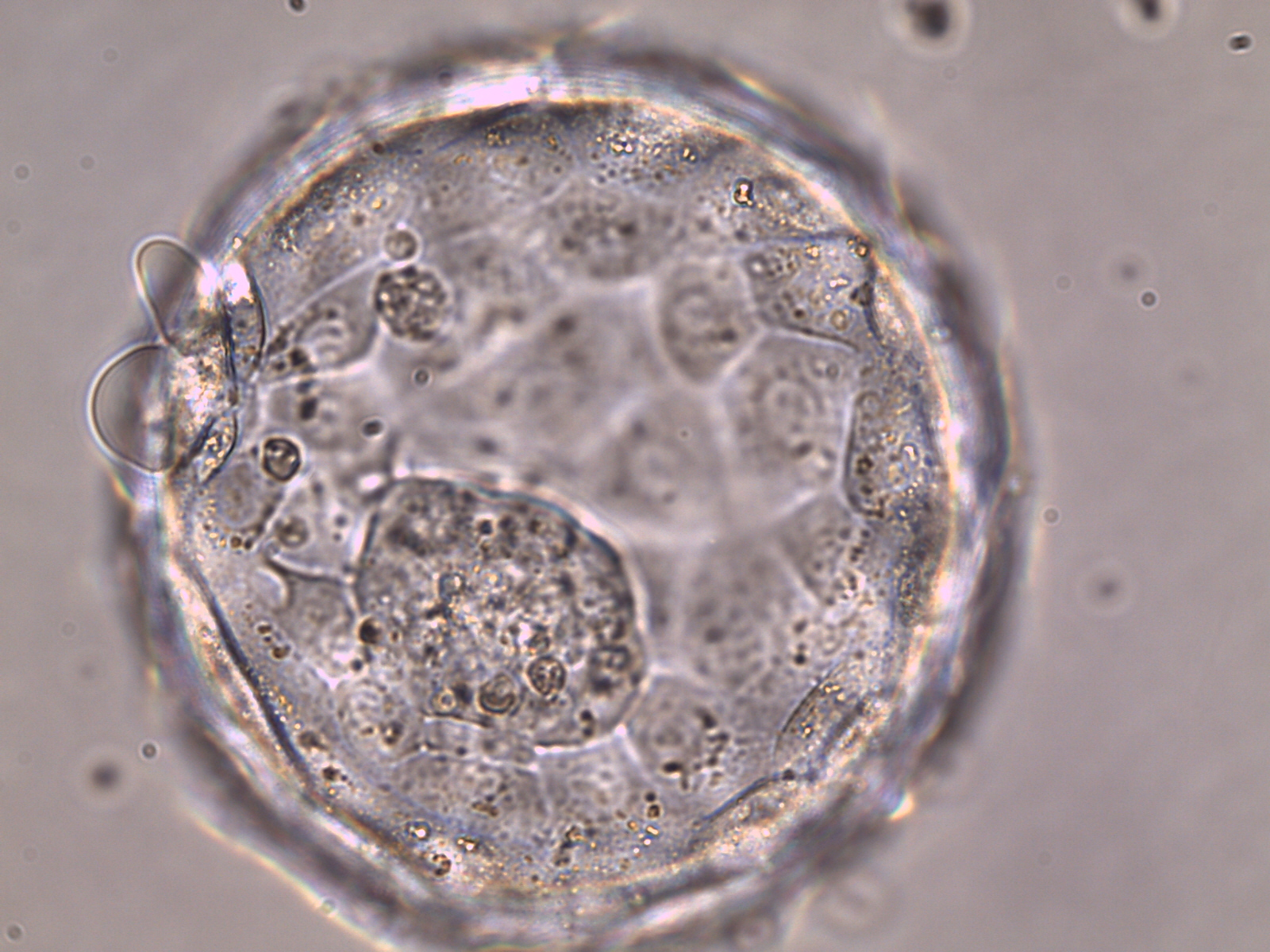
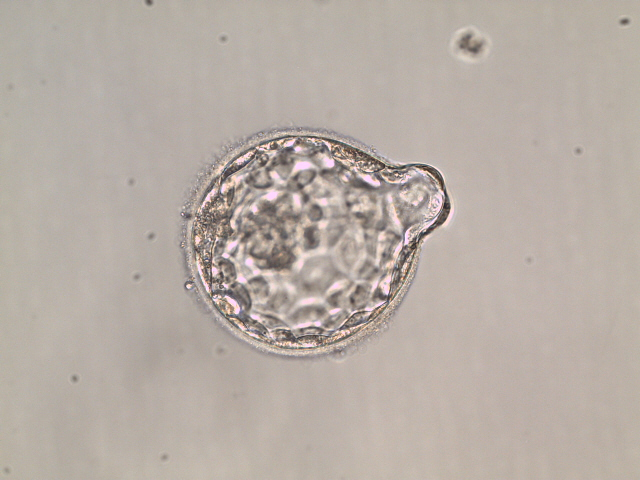
After fertilization using ICSI or classical IVF methods, embryos are cultured in incubators for 3 to 5 days, after which they can be selected for embryo transfer. If there are surplus quality embryos, they can also be frozen using the vitrification technique. Embryos are cultured in incubators in vessels with specially designed media that contain all the substances necessary for the development of embryos at specific stages of development. After fertilization, which is counted as day 1 of embryo development, the embryo begins preparing for cell division, that is, splitting. Thus, embryos on day two ideally have 4 cells of equal size, embryos on day three ideally have 8 cells of equal size, on day 4 the cells of the multicellular embryo begin to merge and lose visible boundaries, resulting in a spherical structure - morula. On day 5, competent embryos (on average 40-50% of embryos from the number of fertilized cells) reach the blastocyst stage. The blastocyst represents the final stage of embryo development to which embryos are cultured during the process of in vitro fertilization. On days 5 and 6, the blastocyst begins the hatching process (emerging from the protective shell), after which implantation into the uterus follows. Slower embryos that reach the blastocyst stage on days 6 and 7 still have the potential for implantation, but less so compared to blastocysts from day 5.
DAY 1DAY 2DAY 3DAY 4DAY 5DAY 6
What should you know?
Not all obtained embryos are of equal quality! Accordingly, there is a grading system by which the embryologist daily evaluates all embryos and records their status in the couple's file. Embryos on the second and third day with better grades have a higher chance of reaching the blastocyst stage, becoming quality blastocysts, and resulting in pregnancy after their transfer. Conversely, this does not mean that embryos that are not ideal cannot reach the blastocyst stage and lead to pregnancy; it simply means their chances of implantation are somewhat lower. An ideal appearance of an embryo, such as a blastocyst on day 5, does not guarantee that its cells contain the correct genetic information and can lead to pregnancy, but there is a proven positive correlation between embryo morphology and the correctness of the embryo's genetic code. Average 40-50% of embryos from the number of fertilized cells reach the blastocyst stage, which can significantly vary depending on the woman's age, the quality of the eggs, the quality of the sperm, the reason for infertility, ovarian stimulation, the expertise of the embryologist in handling embryos, and many other factors. The transfer of embryos into the patient's uterus is usually performed on day 2/3 or day 5 of embryo development. The implantation rate, i.e., pregnancy, is higher when transferring a blastocyst compared to the implantation rates of embryos on day 2 and day 3 (cleavage stage). The reason for this is that regardless of the quality of the selected embryo on days 2 and 3, we do not know whether that embryo would have the potential to cross critical development points and reach the blastocyst stage, and we obtain that information on day 5. The paternal genome activates later during the growth of the embryo, and only reaching the blastocyst stage provides a realistic picture. Thus, the evaluation of embryos and the decision that the gynecologist and embryologist need to make is facilitated on day 5. Also, due to the uncertainty of selection on day 3, sometimes two embryos are returned, increasing the chances of a twin pregnancy, which carries multiple risks compared to a singleton pregnancy. Transfers on day 3 are usually reserved for patients with a small number of embryos (1 or 2, and sometimes 3 embryos) where extended culture and growth of embryos to day 5 do not make a significant difference and do not substantially narrow the choice of embryos for transfer. Transfers of 2 embryos in our center are rare and occur in patients of advanced reproductive age and significantly reduced ovarian reserve, where we have few embryos, 1-3, when it does not make sense to prolong the culture.