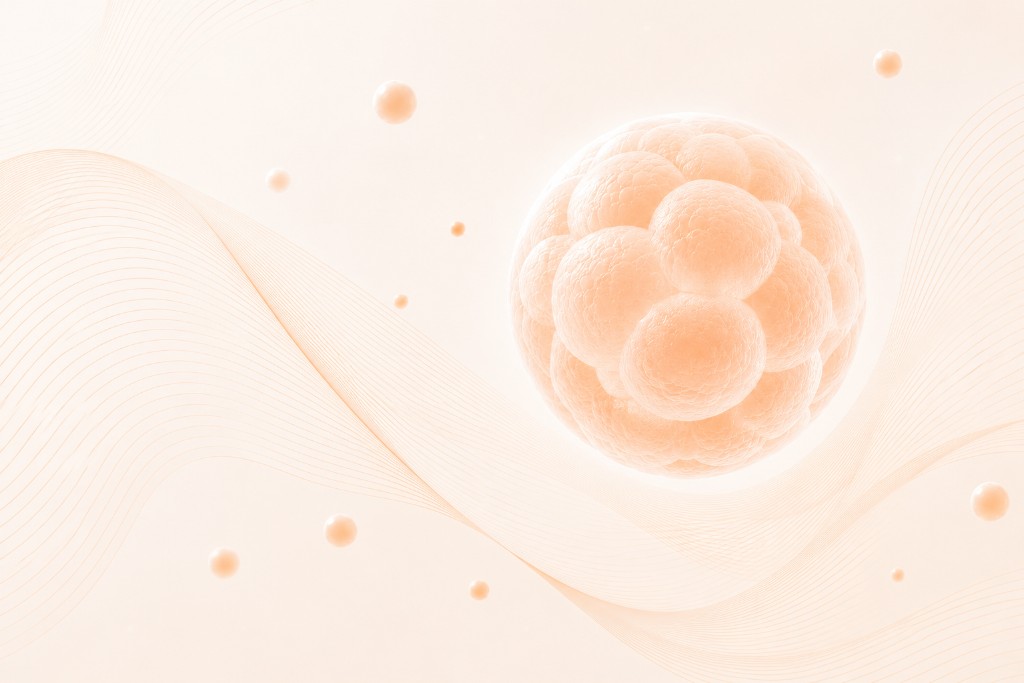

IVF (In-Vitro Fertilization) is a method through which fertilization of the woman's retrieved eggs is performed with sperm in strictly controlled laboratory conditions. Fertilization of the eggs can be done in two ways:
Using the Classic IVF Method
The Classic IVF method mimics natural conditions by adding a certain number of actively motile sperm obtained from processed ejaculate - sperm (purified from immotile and poorly motile sperm, cellular debris, leukocytes, and other harmful substances) to the dish containing the eggs. This prepared dish is placed in an incubator until the next day. During this time, the sperm continue to move and penetrate the layers of smaller supporting cells to reach the protective membrane of the egg itself (oocyte). The first competent sperm is selected by the egg, which receives the genetic material from the father. The next day, the cells and sperm in the prepared dish are taken out of the incubator, and the properly fertilized cells are separated from the unfertilized ones and returned to the incubator for further cultivation. The genes from both parents are now present in the egg, which at this stage is called a zygote, and it is ready to continue its development and undergo cell division.
Indications for using the classic IVF method are cases where the man's sperm analysis meets the criteria for normal findings, when there is no suspicion of severely reduced egg quality in the woman, in women whose infertility is caused by blocked fallopian tubes, in women with unexplained infertility (idiopathic infertility) in younger reproductive years, and in couples who are entering the process of in vitro fertilization for the first time, provided that the male partner has a good sperm analysis...
Using the ICSI Method (Intracytoplasmic Sperm Injection)
ICSI (Intracytoplasmic Sperm Injection) is a method where an embryologist, under a microscope, individually selects one sperm at a time using micropipettes, ensuring that the selected sperm is as normal as possible. The chosen sperm is aspirated into a micropipette (ICSI micropipette) and then held in place with another micropipette (holding micropipette) while it is injected into the egg, after which the micropipette is removed. This procedure completes the ICSI for one egg. The process is repeated for all mature eggs. The cells combined with sperm are then placed in an incubator for cultivation. The day after ICSI, fertilization is checked, and the properly fertilized cells are separated from the unfertilized ones and returned to the incubator for further cultivation.
Indications for ICSI include spermogram findings where parameters are below normal values (in terms of count, motility, morphology), when spermatozoa are obtained surgically through testicular biopsy or epididymal aspiration, absence of fertilization or poor fertilization in previous cycles of in vitro fertilization where the classical IVF method was used, in thawed oocytes, in cases of advanced reproductive age of the patient and a small number of retrieved oocytes where there is suspicion of TFF, in patients with previous absence of fertilization in an IVF cycle, presence of conditions that significantly negatively affect the quality of oocytes.The classical IVF method and ICSI can be used in combination, so a certain number of cells are inseminated by one method and the remainder by the other method.
The discovery of the ICSI method is one of the greatest achievements in the field of in vitro fertilization as it provides a chance for parenthood for couples dealing with severe forms of male sterility with very few or only a couple of spermatozoa found, which is not possible with the classical IVF method.
What can we expect?
Not all retrieved oocytes are ready to be fertilized; on average, 75-90% of retrieved cells in one cycle are ready for the further process of in vitro fertilization. Cells that are competent for further work are called mature. Only mature cells can be expected to be fertilized using the ICSI and IVF methods. Immature cells can mature during the process and undergo ICSI, but such cells have a lower potential to be fertilized than initially mature oocytes. The percentage of fertilized oocytes from mature cells on which one of the two methods described above was used averages 70% or more. Fertilization can vary significantly based on the woman's age, quality of oocytes, quality of spermatozoa, reason for infertility, ovarian stimulation, the expertise of the embryologist in handling oocytes, and many other factors. The percentage of fertilized oocytes using the IVF method is identical or very slightly lower than with the ICSI method in cases with a normal spermogram, while the ICSI method is mandatory in cases of severe male sterility.